
Top 10 Tips To Assess Certified Technicians For PAT in Rugby
The competence of the individual performing Portable Appliance Testing (PAT) is the most important factor which transforms a mechanical operation into a legally defensible security system. In accordance with UK legislation, specifically the Electricity at Work Regulations 1989, there is no mandated licensing scheme or legally required qualification for testers of PAT. Regulation 16 stipulates that all persons possess "technical capabilities or expertise" necessary to prevent the risk of injury or danger. In order to meet the 'competence principle', the employer (dutyholder) must choose and hire only technicians who have a combination or formal training in practical skills, as well as an ability to judge. Because there isn't any mandatory qualification, there are various levels in technician capabilities. It is crucial that the dutyholders know how to prove competence beyond simply having a certification. A certified technician is not just competent to conduct tests, but also understands the principles of safety in the electrical industry. They can interpret test results accurately and make informed decisions on success or failure based on the IET Code of Practice.
1. The legal definition of competence is based on EAWR 1989. in Rugby
Regulation 16 (Electricity at Work Regulations, 1989) specifies this requirement as an individual must be competent in order to protect themselves from injury or harm. HSE defines "competence" as the ability to perform a task safely and effectively and without putting yourself or other people in danger. In the case of PAT testing it is a mix of three elements: adequate knowledge of electricity (theory), adequate knowledge (practical application) and a good understanding of the system (the particular appliances and the environment they are working on). To be legally competent, a technician must have all three.
2. Professional qualifications and demonstrable skills in Rugby
There isn't any legal demand that a qualification must be obtained. But formal education is the most tangible evidence of your knowledge. City & Guilds qualification 2377 ("In-service inspection and testing of electrical equipment") is industry standard. The mere possession of this certificate does not guarantee any competence. It is necessary to have practical experience. The person in charge of the certification will examine the qualifications relevant to the job in addition to evidence of experience in the field. To be considered qualified, a technician that does not have a formal certificate must be able to provide evidence of their experience and expertise.
3. City & Guilds Qualification 2377 – a Guide
City & Guilds qualification 2377, which is a Level 3 qualification, assesses the knowledge of a candidate about the IET Code of Practice as and their capacity to complete inspections and tests in the proper manner. The exam is broken down into two parts – 237777 (theory multiple-choice examination) as well as 237778(practical assessment). The complete award proves that the technician was independently assessed based on their knowledge and their practical skills. When verifying this qualification, it is prudent to request the certificate's id number and confirm its validity using the City & Guilds online verification portal, as certificates may be forged.
4. Practical Hands on Experience is Required in Rugby
Knowledge that is theoretically based is useless without practical application. A competent technician should be able to apply hands-on experience in testing appliances in a variety environments. This experience allows technicians to spot subtle faults and safely operate equipment that is not familiar to them and operate effectively in difficult environments like factories or construction sites. A dutyholder should ask a prospective technician or supplier about the tester's experiences and the types of Rugbys they use to determine the value of their work background.
5. The IET Code of Practice on In-Service Inspection and Testing
The IET Code of Practice serves as the basis of PAT exams. A certified technician must not just have a copy of however, they should also have a thorough knowledge of its content. This includes understanding different equipment classifications as well as the recommended procedure for visual inspections as well as testing, the proper use of test equipment and, most important, the criterion of pass/fail. The ability to accurately reference and implement this guidance is a key indicator for their competence and professionalism.
6. Calibration Equipment and Test Instruments
The technician must understand the importance of accurate test results dependent on the test equipment used. They should be aware that their PAT tester needs to be calibrated on a regular schedule (typically, annually) by accredited UKAS laboratories to ensure the accuracy of its results. They should have a proof of calibration valid for the instrument. The user must be able utilize the instrument in a safe manner as well as perform a typical user test (e.g. performing tests for lead) and interpret its results.
7. Capability to conduct meaningful inspections in Rugby
At least 90 percent of issues can be found by a thorough visual examination. Highly skilled technicians place the highest importance on this aspect and is meticulously examining plugs and cables, connectors, and casings for damage, wear or indications of overheating. They are able to connect plugs properly, and also know the fuse rating. It is possible that testers with little experience might rush or skip the entire process.
8. Applying the results to interpret them and apply pass/fail criteria in Rugby
The electronic tester provides readings while the technician gives the judgment. The level of competence is demonstrated through being able to interpret the readings in the context of the Code of Practice's pass/fail limitations and the device itself. Professionals should be able to recognize when an insulation resistance slightly over the IET Code of Practice limits is acceptable. Also, an earth continuity test that passes may indicate that a hidden problem exists with a particular appliance. The true value of a qualified professional is the ability to make choices.
9. Questions of Insurance and Liability in Rugby
It is not mandatory, but a technician with the right skills should ideally have Public Liability Insurance. The customer is protected should the technician damages property during the test. Furthermore, by appointing an electrician who has demonstrated competence, the dutyholder is strengthening their own defence in the court of "due care" and will be able to show that they took every effort possible to hire a person suitable that is essential in any investigation of a possible electrical incident.
10. Documentation and communication skills in Rugby
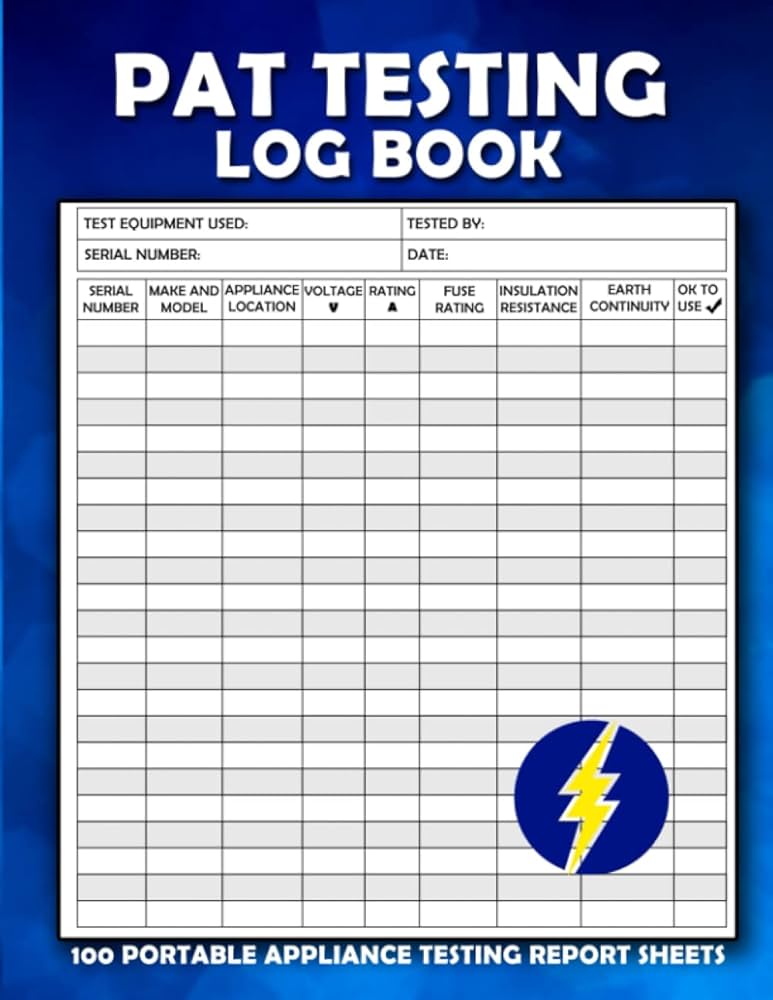
The testing process is worthless without a clear, precise documentation. A skilled technician is required to create clear and understandable reports, asset registers, that accurately identify and document each appliance. The results of all tests should be recorded, along with a clear pass/fail decision. Technicians should be able to explain to the dutyholder any faults that were found, their risks, and necessary actions (i.e. repair or replacement). This communication is a vital part of the overall safety procedure. Read the best portable appliance testing in Rugby for blog examples.
Ten Tips For Cost Transparency In The Fire Extinguisher Service in Rugby
To achieve cost transparency, fire extinguisher service providers should consider risk management and compliance with regulatory requirements. This is not just about cost comparison. Occurate pricing can hide significant compliance issues and lead to unintentional liability in the UK's strict regulatory framework, which is governed by the Regulatory Reform Order for Fire Safety 2005. A transparent quotation serves as an outline of the services you'll receive, directly demonstrating the provider's adherence to British Standards, their operational method, and dedication to ethical business practices. Hidden costs, unclear line items or undefined policies regarding replacement of equipment are more than just an issue of financial risk. They're also serious red flags that indicate possible problems with service quality and documentation of compliance and your legal due diligence. Transparency in costs is crucial for making an informed choice, which balances budgetary needs with non-negotiable fire safety laws.
1. Breakdown of service visit costs including labour, parts and consumables in Rugby
A transparent estimate will dissect the cost of each service type. For annual maintenance plan, the estimate must separate the expenses for labour (the engineer's visit) from consumables, such as foam concentrates, powders, and nitrogen. A breakdown of the costs will demonstrate that the provider has not been cutting corners. For instance, they may be reusing outdated seals or failing properly to recharge units. This allows for a fair comparison between providers as a lower price may not include the essential components, which makes it inaccurate.
2. Pricing Model Clarity: All-Inclusive vs. Pay-As-You-Go
The price must clearly indicate the pricing methodology employed. A All-Inclusive (or Fixed-Price) Contract should have a single annual fee covering the entire schedule of services, components, labour and refills, as well as no hidden extras for the 5-year or 10 year services. The Time and Materials and Pay-As You Go models have low annual fees, but they charge more for additional services. Transparency is key to avoiding financial shocks in the course of several years of a contract, and understanding where the real financial risk lies (expensive overhauls).
3. Cost projections for Extended Service (5 and 10 Year).
Cost-related surprises can be the most shocking when an extended service is due. A transparent service provider will not cover up these potential costs. A transparent company will not conceal the costs that are to come in the future. They will provide a comprehensive schedule or list of prices in their quotations that estimate the cost of a 5-year extension service (for foam, powder, and water) and 10-year overhaul (for CO2) according to the kind of extinguisher. The quotation will include an explicit schedule or price list that will project the cost of a 5-year extended services (for water foam, and powder) and 10 years of overhaul and pressure test (for CO2) for every type of extinguisher.
4. Policy on Equipment Replacement and Condemnation in Rugby
Transparency is crucial in this area. The document must outline the policy of the service provider and any associated cost for replacement of extinguishers that are Beyond Economic Repair (BER). Included are scenarios such as damage that is significant, corrosion or outdated models. What is the likelihood of getting a similar for like replacement? What will the price be? Do you qualify the old unit for a refund? Inconsistency in this particular area may indicate that the company is using equipment condemnation as a way to charge you for replacement at a high prices, and hold you at gunpoint.
5. Disclosure of hidden and additional charges: mileage, callout administration in Rugby
Be sure to read the small print to determine whether there are any hidden costs. Reputable providers will state these upfront. The following costs are crucial to know about: Mileage costs (over an amount of distance) and Call-Out fees for emergencies (and the cost of these charges after working hours), Administration fees (for processing paperwork or certificates) as well as parking/congestion charges (especially relevant in city centres). The price that seems low could simply be a result of excluding these necessary costs and are added to the invoice at a later date.
6. Quote Validation Period and Price Guarantee Conditions in Rugby
Professional quotations will contain a clearly defined validity period (normally 30 to 90 days) that protects you against price hikes once you've made the decision to go ahead. In addition, for contracts that are longer-term it must specify the terms of any price guarantee. The annual cost for the duration of the contract be fixed? Does it rise annually in line with an established index such as CPI? Does it depend on the provider's discretionary review every year? Transparent terms prevent conflicts and help ensure stability of the budget.
7. Price differences by size and type of extinguisher in Rugby
Servicing costs vary significantly depending on the kind and size of the extinguisher. A transparent quotation does not make use of a single blanket price. Costs per unit are clearly stated, with a distinction between the likes of the 6 litre wet chemical unit, a 2kg CO2 unit or a 9-litre water extinguisher. This will show a true and precise assessment of your particular inventory and the actual amount of work that is required.
8. Documentation and Certification Costs in Rugby
It is not an option to issue a legal certification of conformity. The cost of creating, storing, and issuing this important documentation must therefore be included in the cost. Transparent quotes do not contain this cost as a charge or include it on the final invoice. It is an indication of bad business practices if a service provider charges extra to prove that work was performed in compliance with.
9. Payment Terms and Schedule in Rugby
Trustworthy providers will always have reasonable and clear payment conditions. The invoice should specify the frequency of invoicing (annual or quarterly) and the accepted payment methods and the net terms for payment. It is important to know whether you need to make a payment in advance of the service, or when it is completed. Beware of companies that require an upfront payment of the entire amount for an annual contract before the services are rendered.
10. Comparing quotes: A Framework for Comparison in Rugby
Then, real transparency allows users to evaluate similar products. Uncertain quotes make this impossible. It is crucial that service providers offer a thorough and itemised breakdown, which lets you compare the cost for the maintenance of a CO2 Extinguisher weighing 2 kg from Company A with Company B. It should also include the cost for each year's service, as well as the estimated cost to test the CO2 extinguisher over 10 years as well as its replacement cost. If you don't provide this information, you'll be comparing apples with oranges. The cheapest initial estimate could turn out to cost the most in the long run in the long run, which can compromise the safety and conformity. Follow the top rated Rugby fire extinguisher inspection for website examples.

About the Author
